

The Call of Japan
There are destinations that whisper to you from the pages of travel magazines, from the frames of films, from the excited voices of friends who have returned starry-eyed and speechless. Japan is that destination. It is a country where ancient rituals and futuristic marvels coexist in perfect, breathtaking harmony — where a thousand-year-old shrine stands in the shadow of a 634-metre tower, and where a quiet moment of reflection can be found even in the world’s busiest city.
This October, I had the extraordinary privilege of embarking on a journey through four of Japan’s most iconic destinations: the vibrant city streets of Osaka, the spiritual heart of Kyoto, the dazzling metropolis of Tokyo, and the sacred slopes of Mt. Fuji. What follows is not just a travel diary — it is an invitation for you to experience these wonders yourself.
Osaka: Where the Streets Come Alive
The moment you step onto an Osaka street, the city grabs you. Kanji-adorned shop signs jostle for attention above narrow sidewalks, bicycles weave silently through intersections, and the smell of takoyaki and ramen drifts from every corner. Osaka is Japan unfiltered — loud, proud, and gloriously chaotic in the best possible way.
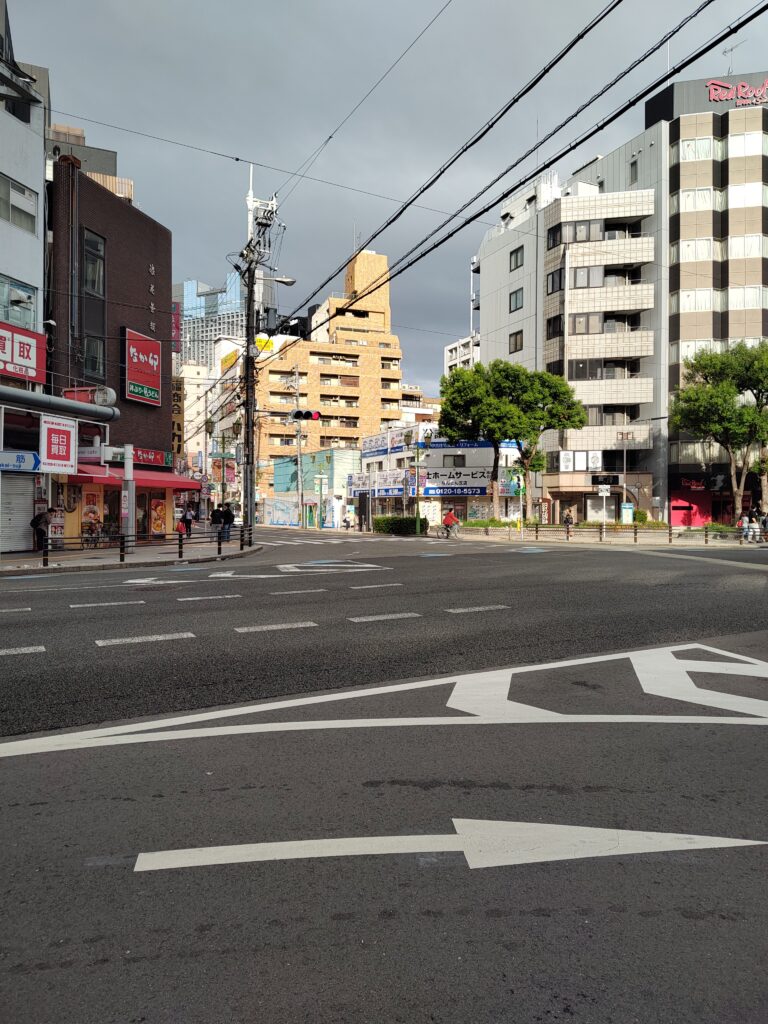
The streets of Osaka — a city that pulses with life at every hour
Osaka’s commercial boulevards: vending machines, convenience cafes, and endless energy
The city’s wide boulevards are a study in organised motion. Pedestrian crossings are precise, traffic is disciplined, and yet there is an undeniable energy humming beneath the surface. Convenience stores and open-24-hour cafes line the streets, offering everything from matcha lattes to hearty bowls of udon at any hour. The sprawling urban skyline — a patchwork of brick buildings, glass-fronted offices, and pocket-sized green trees — stretches as far as the eye can see.
Kyoto: A City That Lives and Breathes History
Fushimi Inari Taisha — The Tunnel of Ten Thousand Torii
Of all the breathtaking sights Japan has to offer, nothing quite prepares you for your first glimpse of Fushimi Inari Taisha. Dedicated to Inari, the Shinto god of rice, foxes, and prosperity, this extraordinary shrine complex sits at the base of Mount Inari in southern Kyoto and draws millions of visitors each year — and for very good reason.
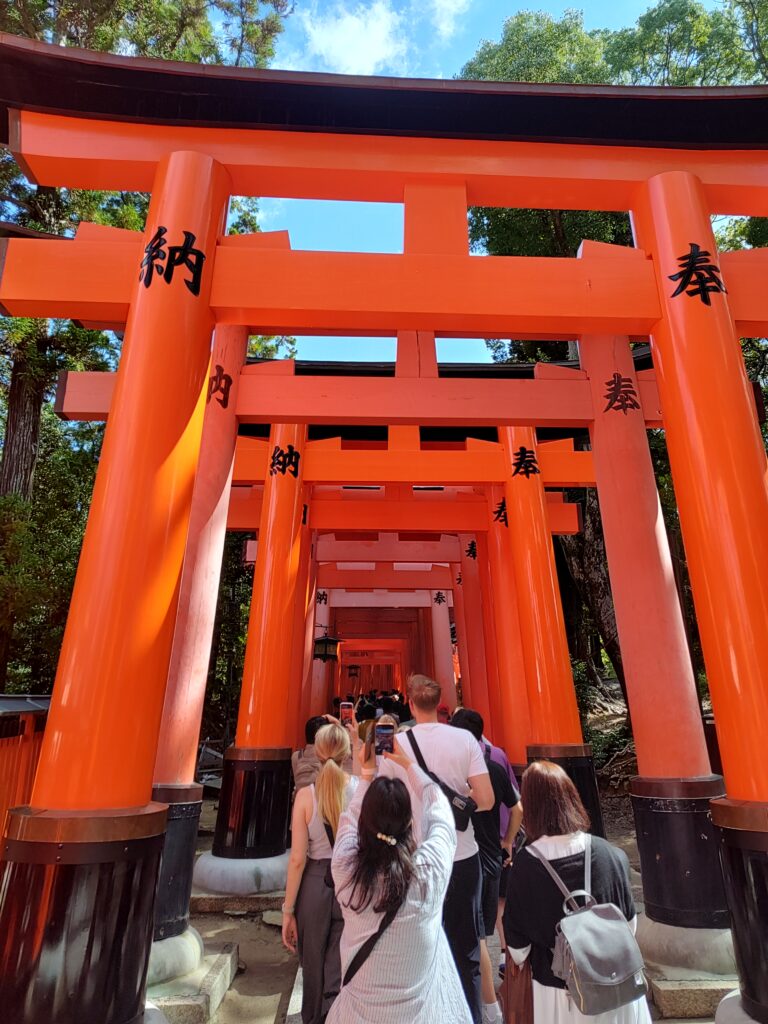
The iconic Senbon Torii — thousands of vermilion gates stretching into the forest
The famous Senbon Torii — the “Thousand Torii Gates” — is in truth more than ten thousand vermilion gates donated by businesses and individuals since the Edo period. Each bears the name of its donor in black ink, a tangible record of centuries of devotion. Walking through the tunnel of gates, the world outside dissolves. The deep orange-red columns glow in the sunlight, creating an almost supernatural corridor that seems to stretch into infinity.
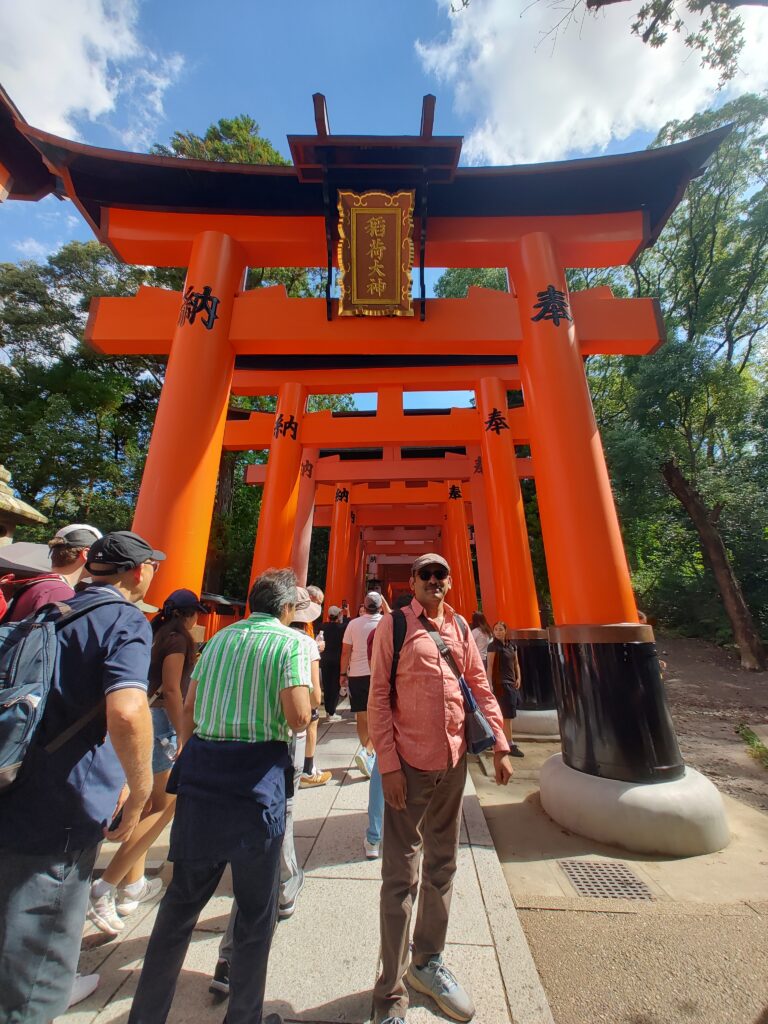
A moment to remember — standing beneath the sacred torii of Fushimi Inari
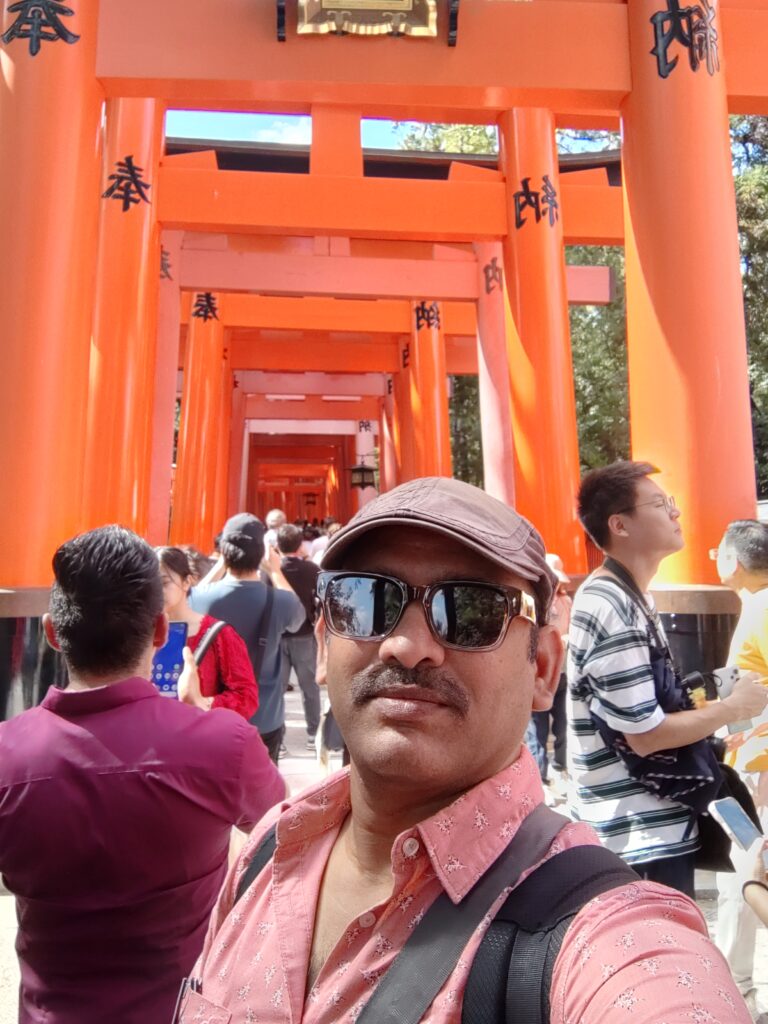
A moment to remember — standing beneath the sacred torii of Fushimi Inari
Standing beneath those gates with the canopy of ancient forest above and the scent of incense in the air is, without question, one of the most moving experiences Japan has to offer. Visitors of all nationalities crowd the path, phones raised, eyes wide, all equally humbled by the sheer scale and beauty of this place. This is not merely a tourist attraction, but a living, breathing place of worship that has endured for over a thousand years.
Arashiyama — Bamboo, Kimono, and Timeless Charm
A short journey from Fushimi Inari lies Arashiyama, one of Kyoto’s most beloved and picturesque districts. The Saga-Arashiyama area is a treasure trove of temples, shrines, river walks, and traditional shopping streets. Picking up the tourist map at the entrance — illustrated with charming drawings of the Togetsukyo bridge, the Sagano Scenic Railway, and the famous bamboo grove — feels like being handed the key to a very special world.
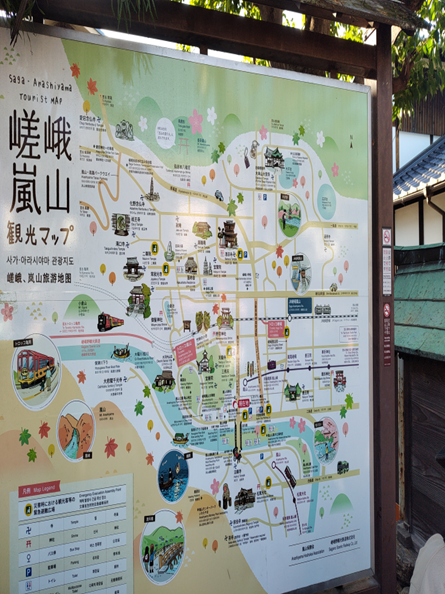
The beautifully illustrated Saga-Arashiyama tourist map, your guide to Kyoto’s treasures
The shopping streets of Arashiyama are lined with low-roofed wooden buildings, their white noren (fabric dividers) swaying gently in the breeze. Here you will find matcha confections, handcrafted ceramics, and the occasional local dressed in a stunning floral kimono — an image so perfectly Japanese it almost feels staged. A chance encounter and photo with a local in a gorgeous pink-and-white kimono is one of those spontaneous moments that remind you why travel is, at its core, about human connection.
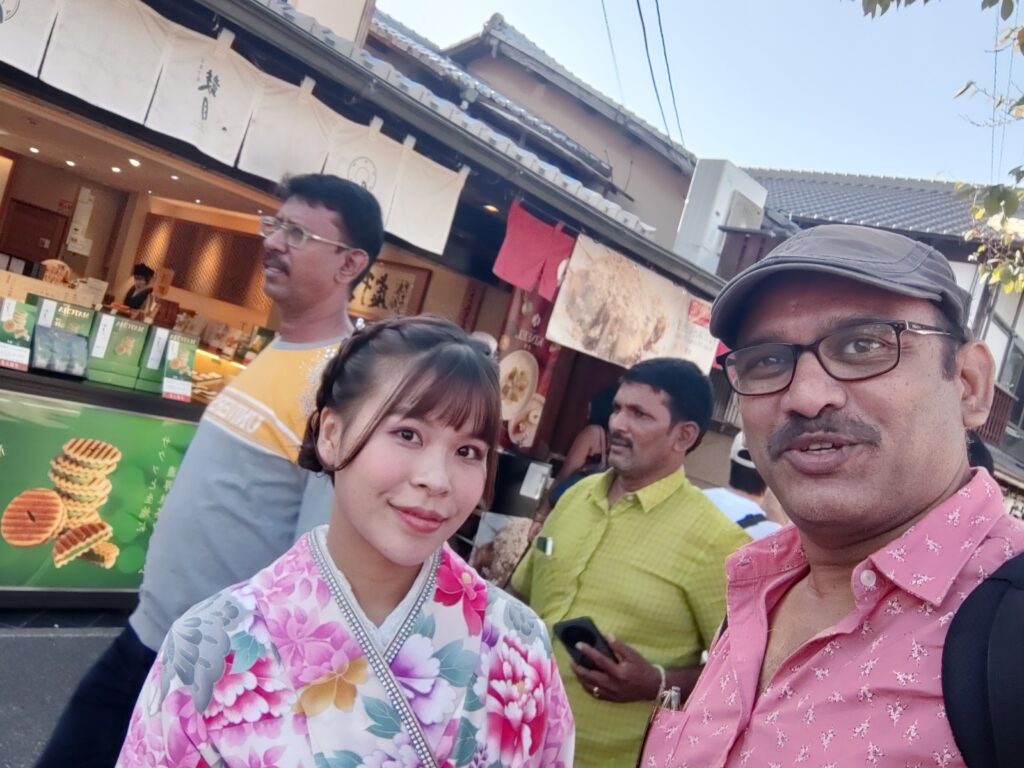
A joyful encounter in the streets of Arashiyama — Japan’s graceful kimono tradition alive and vibrant
The Shinkansen: Flying Across Japan at 320 km/h
If Japan has one symbol of its remarkable marriage of tradition and modernity, it is the Shinkansen — the legendary bullet train. Boarding the sleek N700 Supreme (Nozomi 318, 9:09 departure bound for Tokyo), you understand immediately why the Japanese rail system is regarded as the finest in the world. The platform itself is a marvel of precision: passengers wait in neat, orderly queues, and the train arrives to the very second.
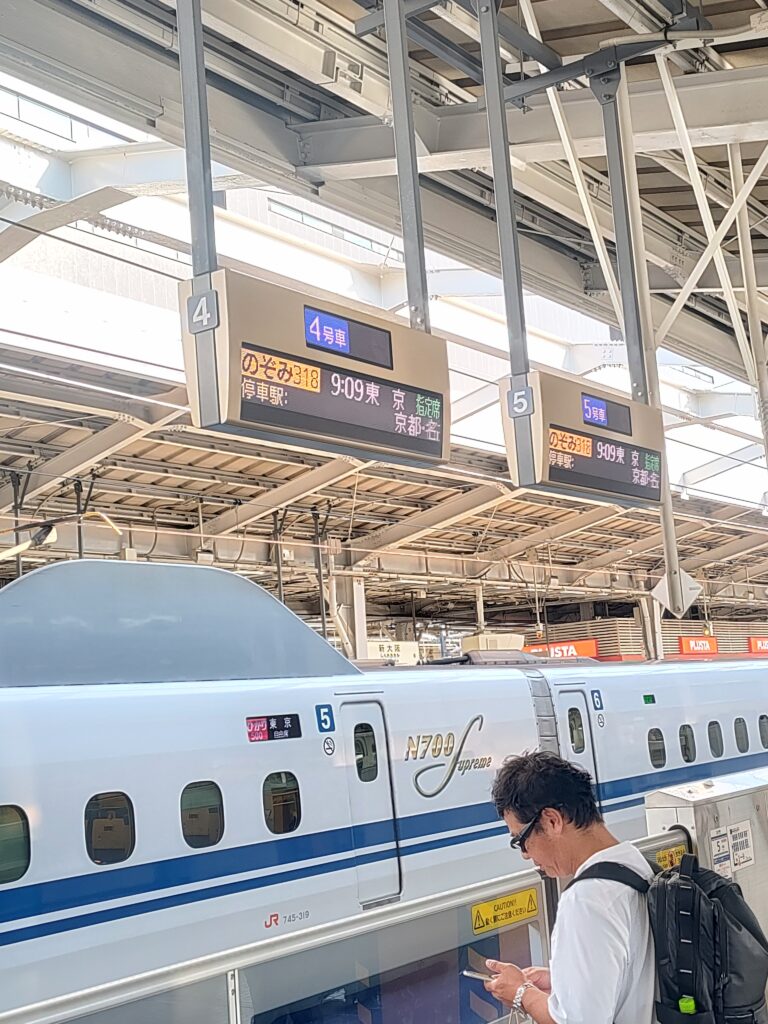
The iconic N700 Supreme Shinkansen — engineering and elegance in one gleaming machine
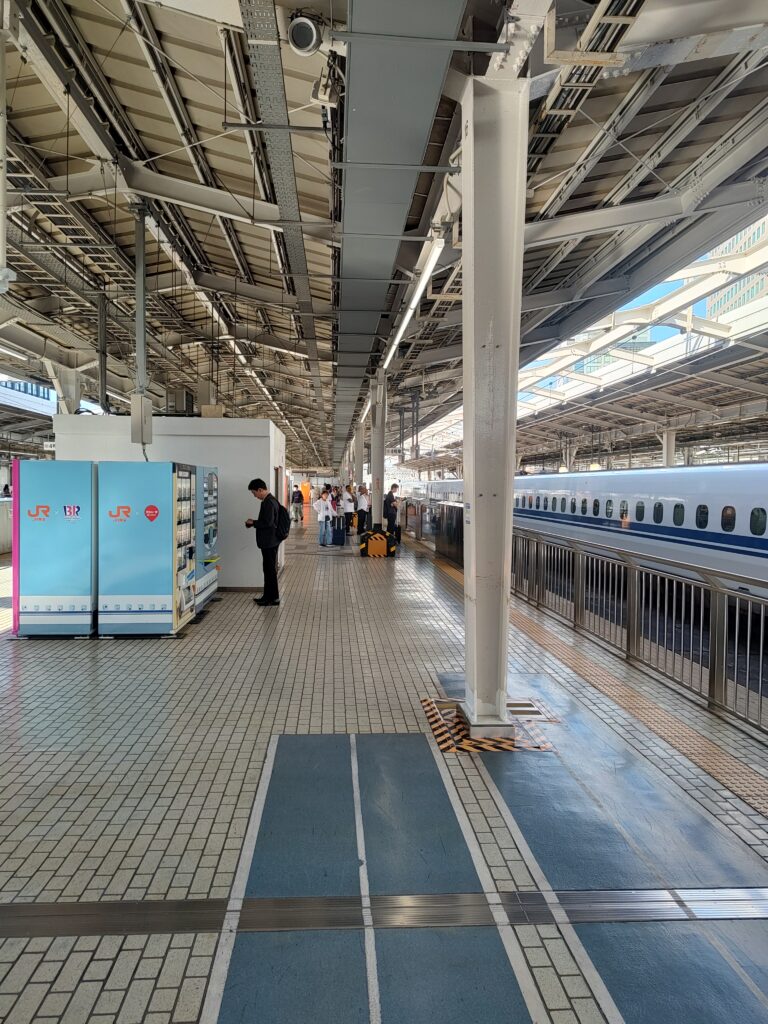
The Shinkansen platform — a study in Japanese order, punctuality, and quiet efficiency
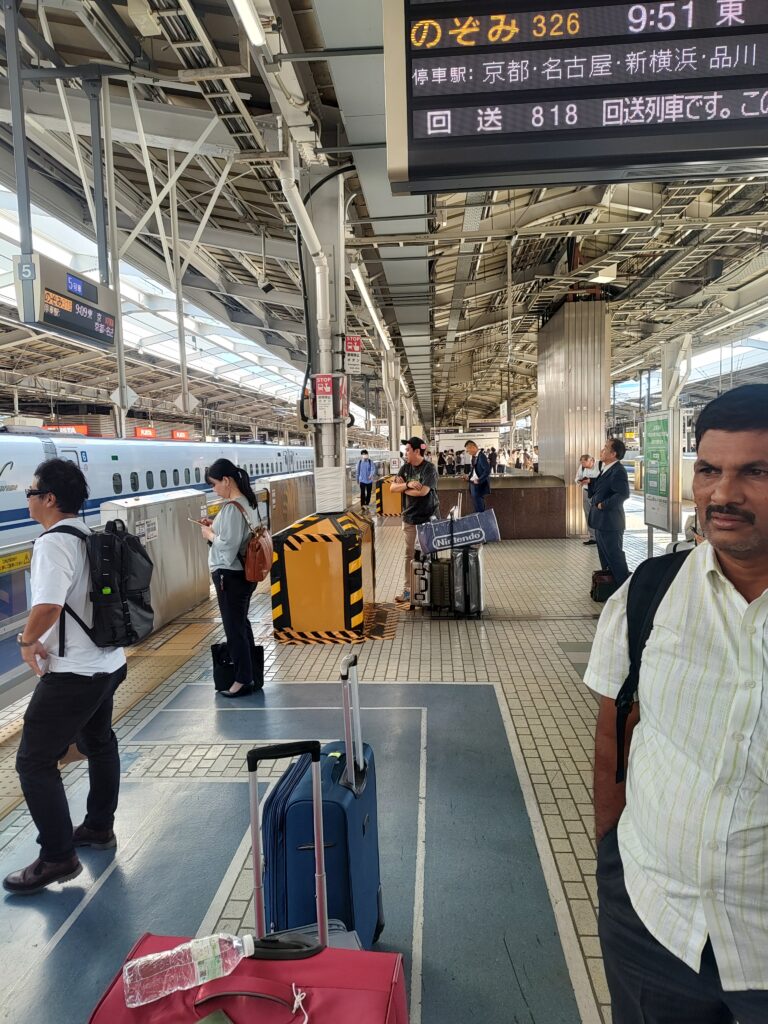
Nozomi 326 departing 9:51 — every departure, every second, accounted for
Once underway, Japan’s landscape unfolds outside the window in a constantly changing panorama. Vivid green rice paddies stretch towards forest-covered hills; small towns cluster around temple rooftops; and the occasional industrial yard flashes past before giving way once more to that serene rural countryside. There is something meditative about this journey — you are moving at breathtaking speed, yet the world outside looks impossibly peaceful.
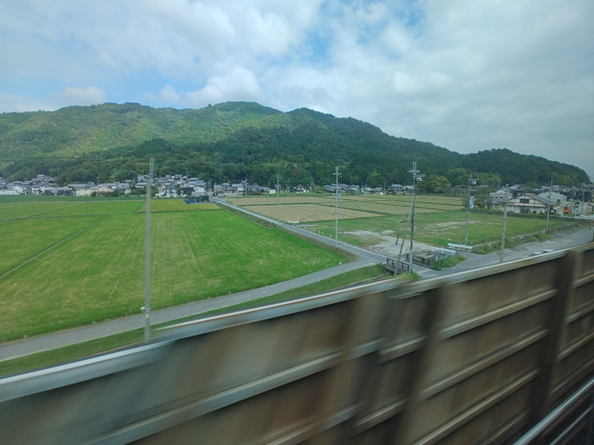
The Japanese countryside seen through the window of the Shinkansen — rice paddies and green hills
Tokyo: The City That Never Stops Dreaming
Tokyo Skytree — Touching the Sky at 634 Metres
Tokyo greets you the way only the world’s largest city can: with an almost incomprehensible sense of scale. Nowhere is this more vividly felt than from the observation decks of the Tokyo Skytree, the world’s tallest broadcasting tower at 634 metres. The Tembo Deck at 350 metres is already dizzying; the Tembo Galleria at 450 metres is simply transcendent.
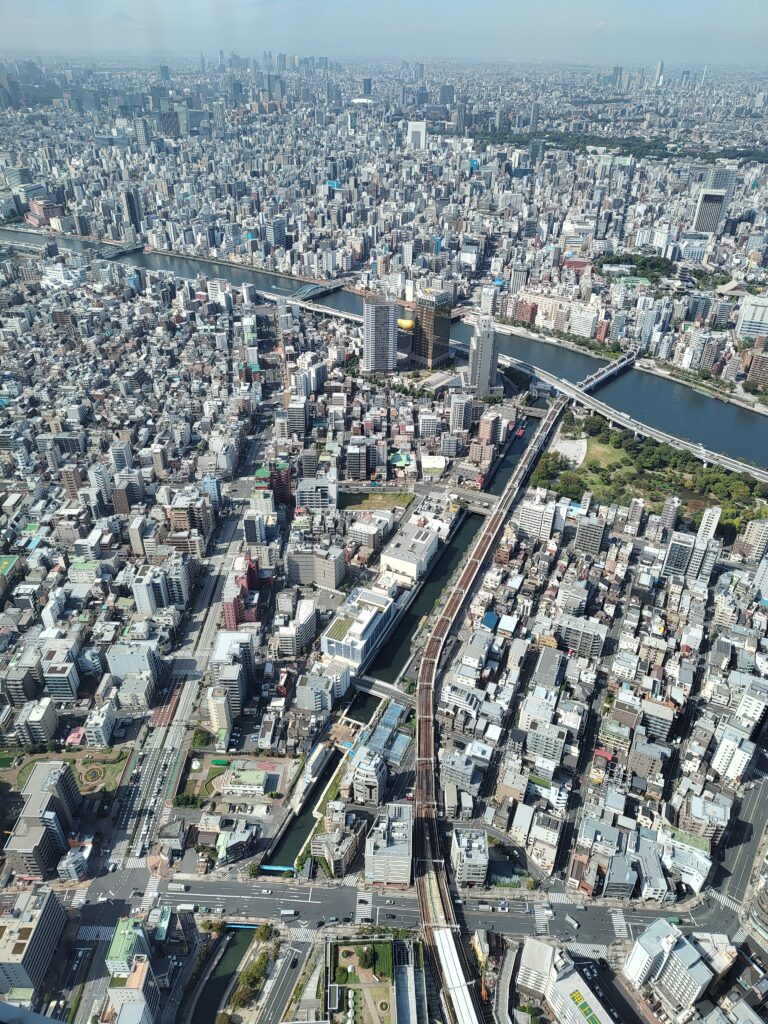
Tokyo stretching to every horizon — the view from the Tokyo Skytree Tembo Deck at 350m
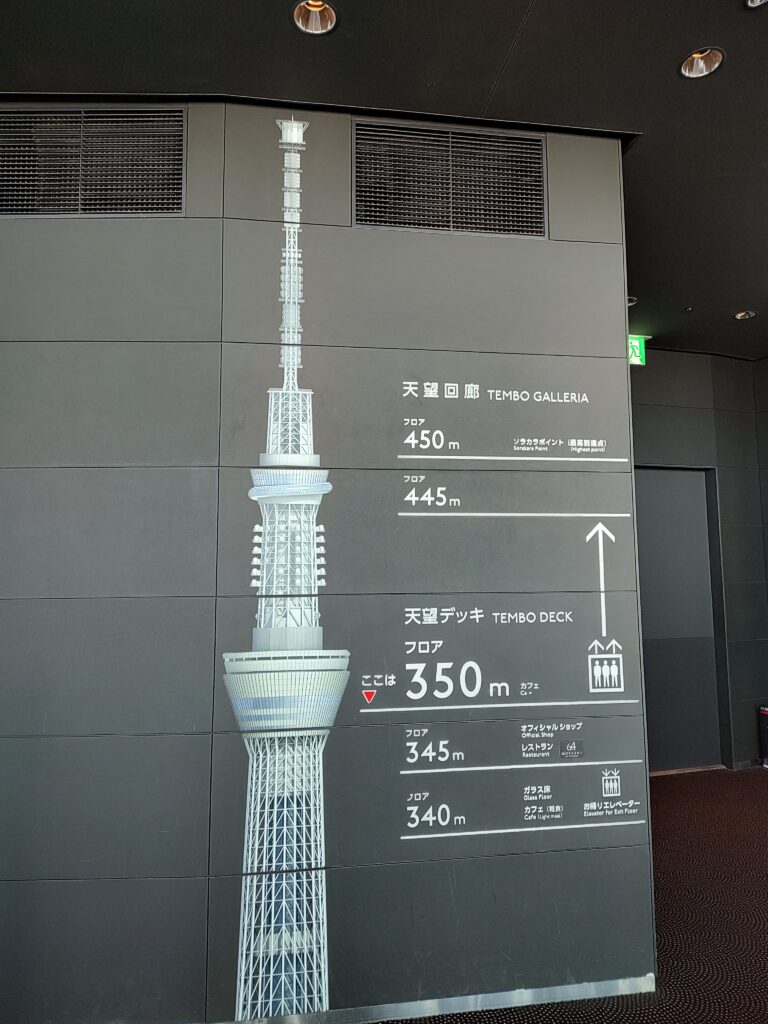
Inside the Tokyo Skytree — the Tembo Deck at 350m and the Tembo Galleria at 450m
From up here, Tokyo stretches in every direction without end — a vast, shimmering quilt of grey and silver punctuated by the sinuous curves of the Sumida River, the arteries of elevated expressways, and the occasional flash of green from a park or temple garden. To stand here is to truly grasp the phenomenal ambition of this city, and of the people who built it.
Pop Culture Paradise — Godzilla, Anime & Pokémon
Tokyo is not just a city of skyscrapers and sushi — it is the global capital of pop culture, and its streets are proof. From the Godzilla merchandise shop to the Uniqlo UT anime collection, the city wears its love of kaiju and manga on its sleeve — quite literally.

Uniqlo UT collection: Chainsaw Man anime graphic tee displayed as a work of art

The Godzilla merchandise store — King Ghidorah bottles, figurines, and every kaiju collectible imaginable
And then there is the Pokémon Center — a place that defies adequate description. A giant Rayquaza sculpture crashes dramatically through the ceiling, Pikachu peeks out from behind it, and the entire space glows with electric blue light. The energy inside is infectious: children squeal with delight, grown adults carefully select plushies, and everyone leaves with a smile.

At the Pokémon Center Tokyo — where Rayquaza rules the ceiling and childhood never ends
Mt. Fuji: Standing at the Roof of Japan
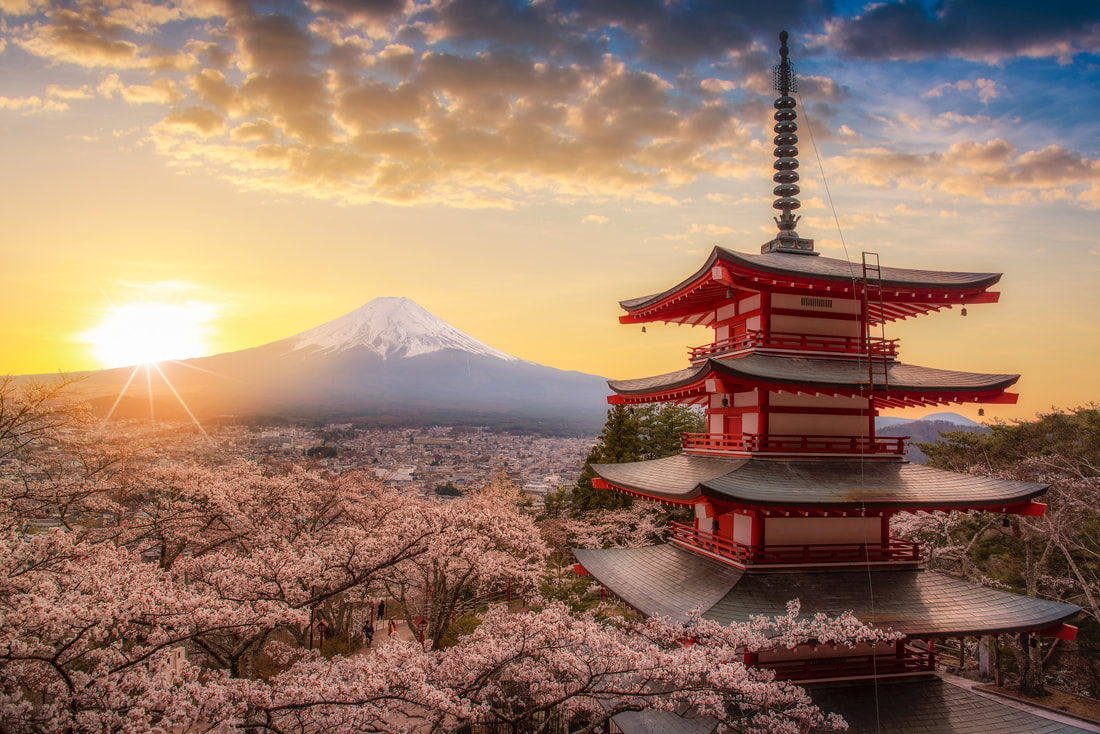
No journey through Japan would be complete without a pilgrimage to its most sacred and iconic landmark: Mt. Fuji. Rising to 3,776 metres above sea level, Japan’s highest peak is a UNESCO World Heritage Site, a Shinto sacred site, and quite simply one of the most beautiful natural formations on Earth.
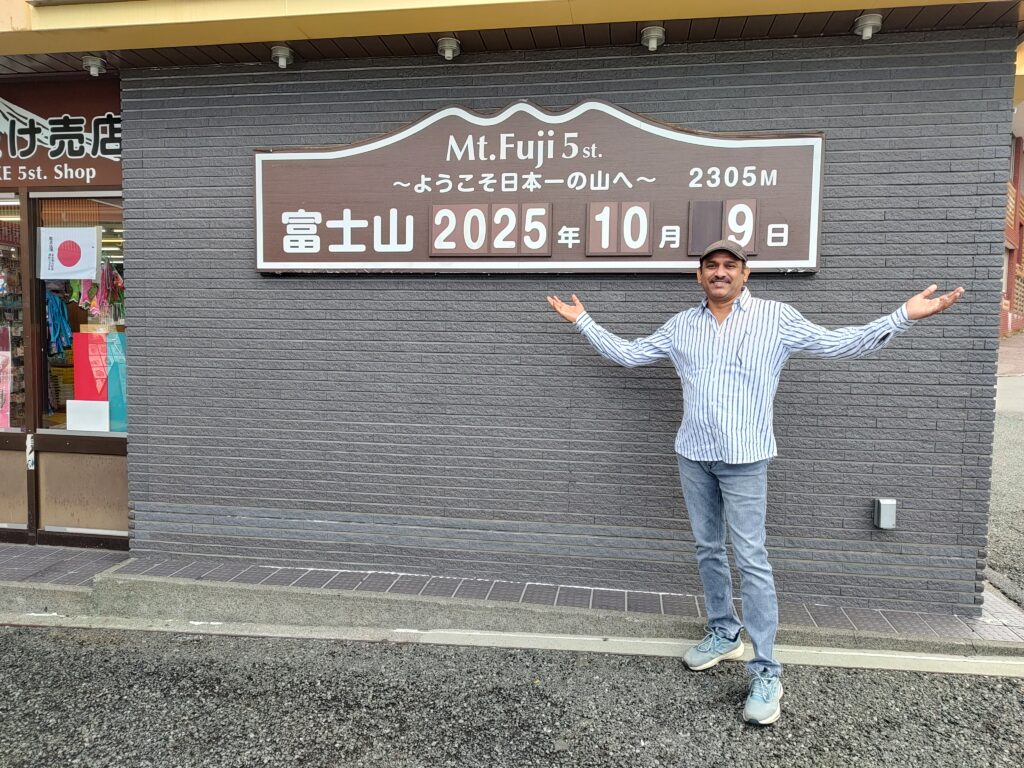
Mt. Fuji 5th Station at 2,305m — October 9, 2025. Welcome to Japan’s greatest mountain!
Reaching the 5th Station (Gogome) at 2,305 metres on 9 October 2025 is an achievement worth celebrating with arms spread wide and heart full. The air here is noticeably thinner, the temperature crisp and sharp, and the views are staggering. There is something profoundly humbling about standing on the slopes of Mt. Fuji. The Japanese have venerated this mountain for millennia, and in that moment — the cool wind on your face, the vast sky above, the world impossibly far below — you understand completely why.
Why Japan Will Call You Back
Japan is a country of contradictions that somehow feel entirely harmonious. It is ancient and futuristic, frenetic and serene, deeply familiar and utterly unlike anywhere else on Earth. In a single day you can walk through a tunnel of thousand-year-old torii gates, board a train that travels faster than sound seems to travel in some countries and stand in a shop dedicated entirely to the cultural legacy of a cartoon monster.
What stays with you after Japan is not just the photographs — though those are extraordinary. It’s the feeling: the quiet respect for ritual and craft, the astonishing precision of everything from train timetables to bento box arrangements, and the warmth that hides just beneath a famously reserved surface. The woman in the kimono who stopped to smile for a photo. The station master who bowed as the train departed. Japan does not just welcome you. It changes you.
And long after you return home, you will find yourself, unbidden, thinking: “I need to go back.”
Have you been to Japan? Share your favorite moment in the comments below!